

Blog
Opoponax: The Sweet Myrrh with Ancient Roots and Modern Appeal

Frankincense:
Nature's Liquid Gold
Few natural materials carry the mystique of frankincense. Harvested as fragrant resin from the hardy Boswellia tree, it has been traded across deserts, burned in sacred spaces, and prized in royal courts for thousands of years — and today that same golden resin is finding new life in modern perfumery, skincare, and wellness rituals.
A Resin Older Than History
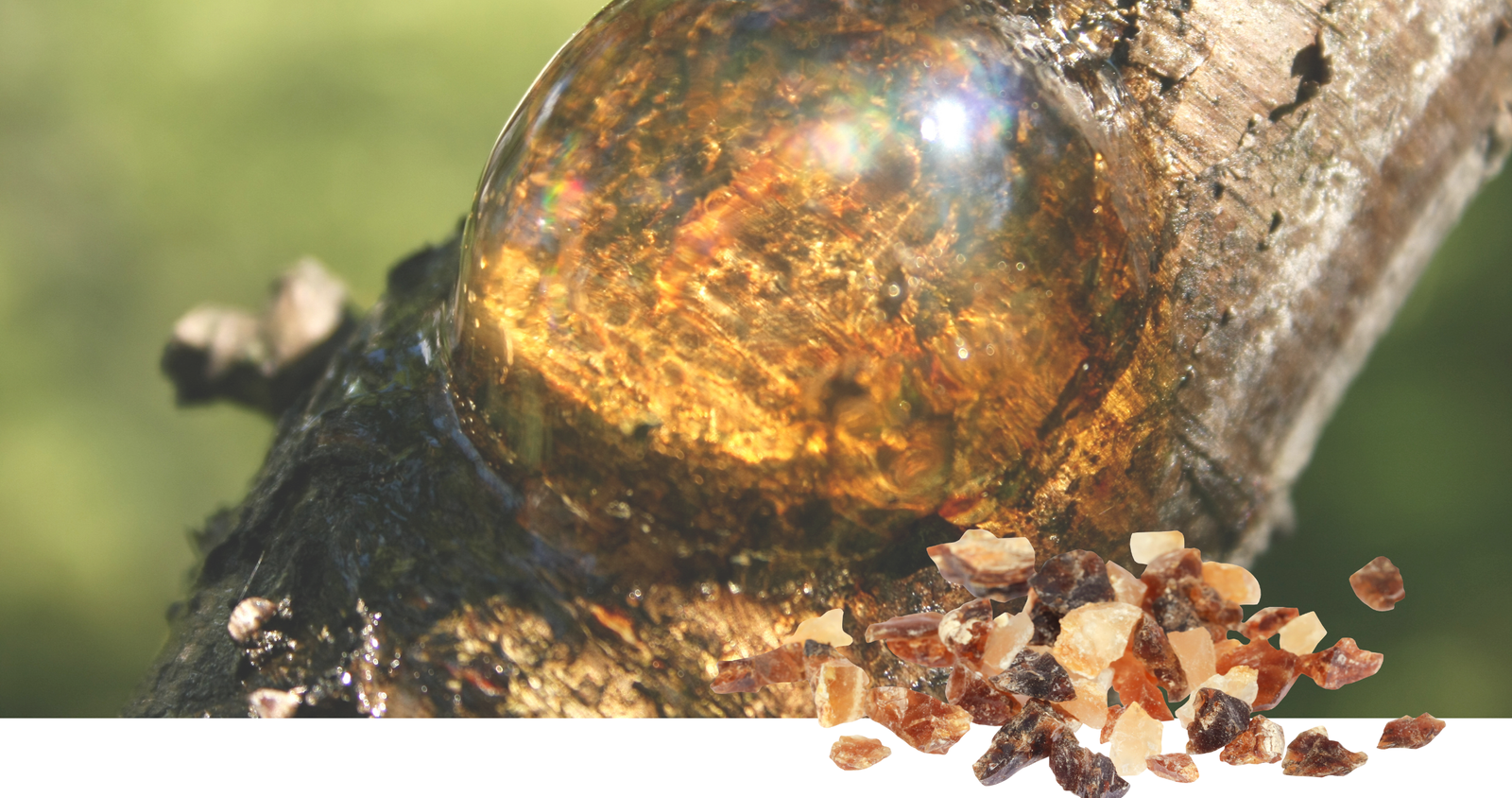
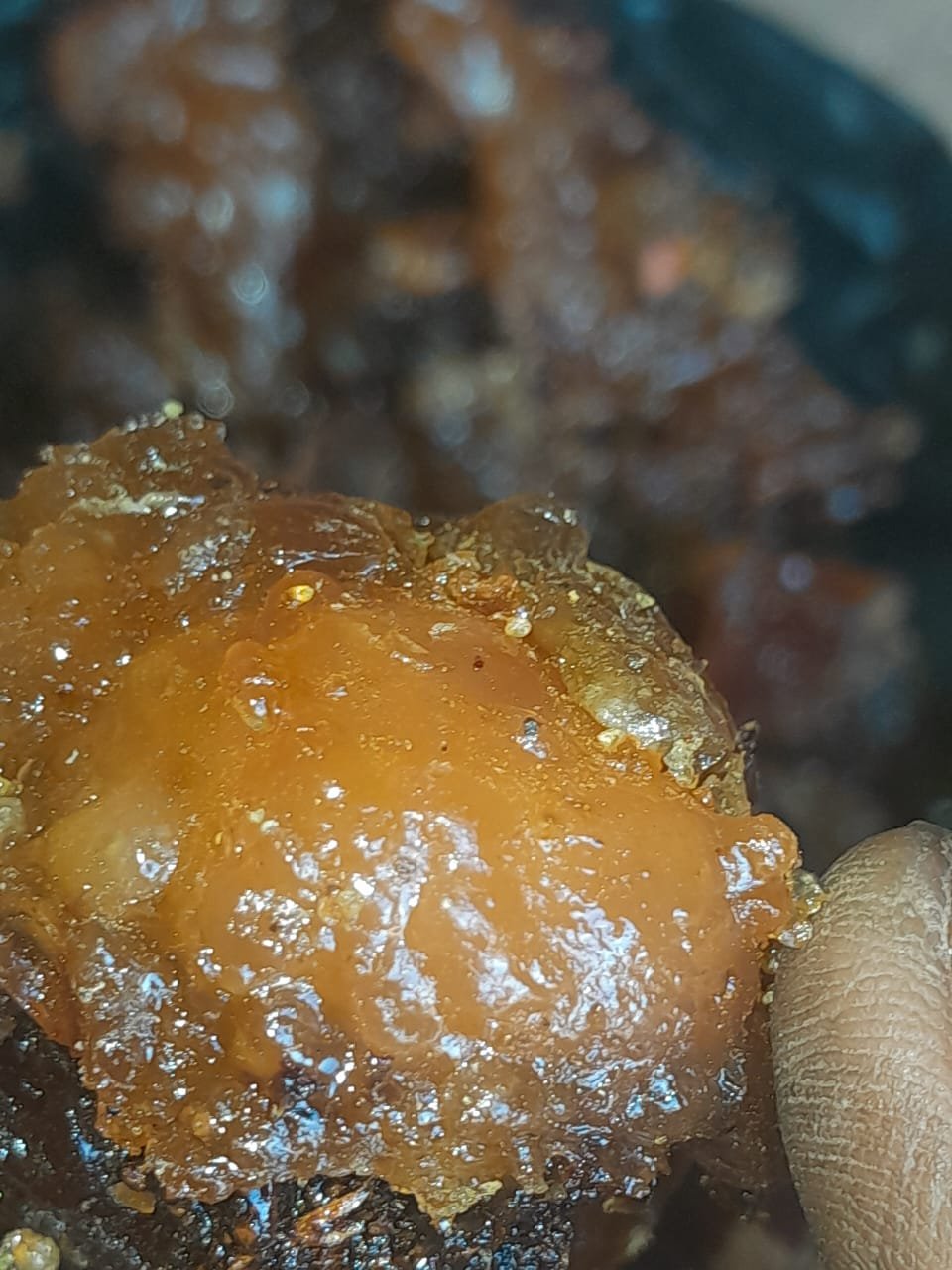
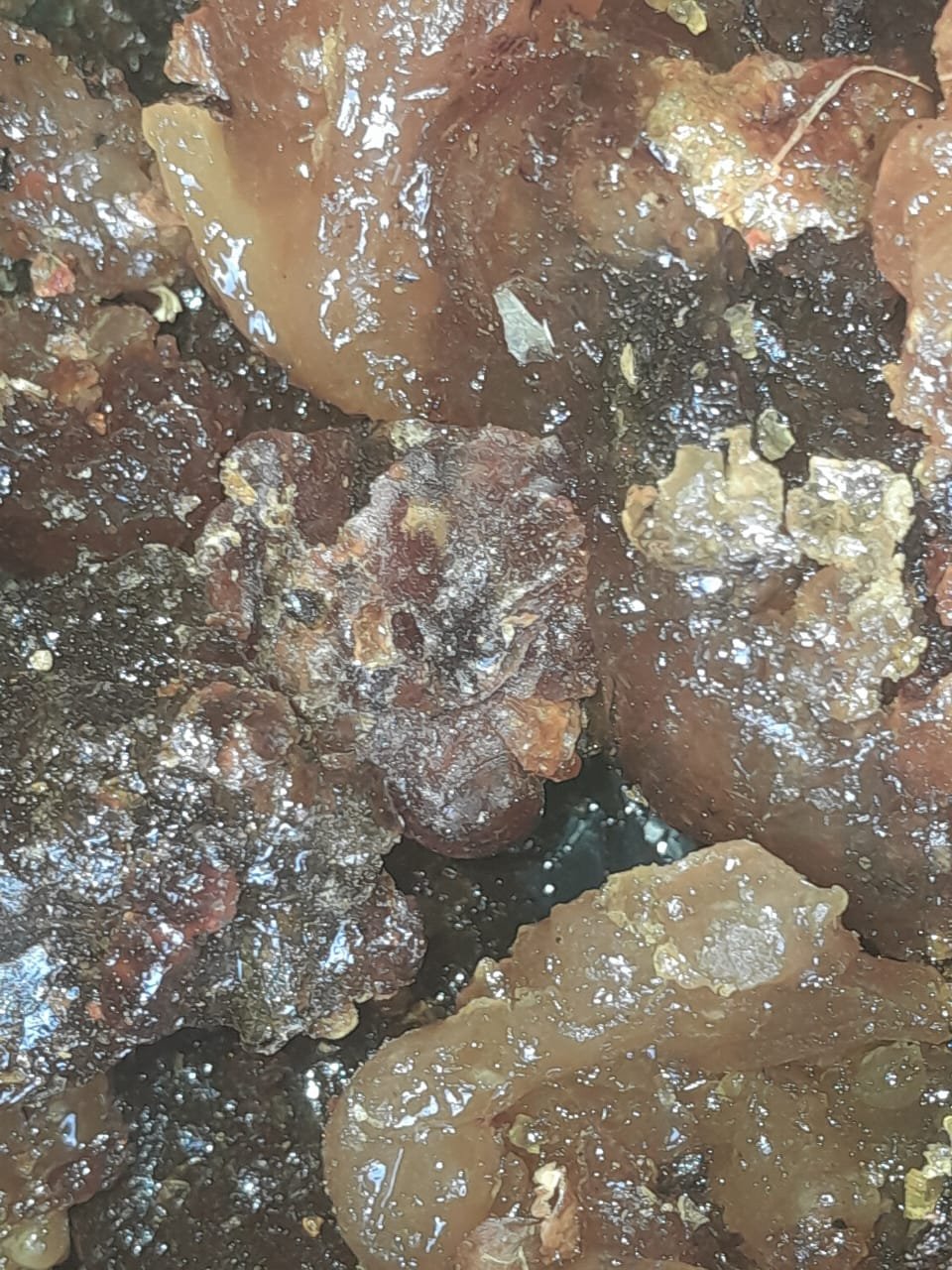
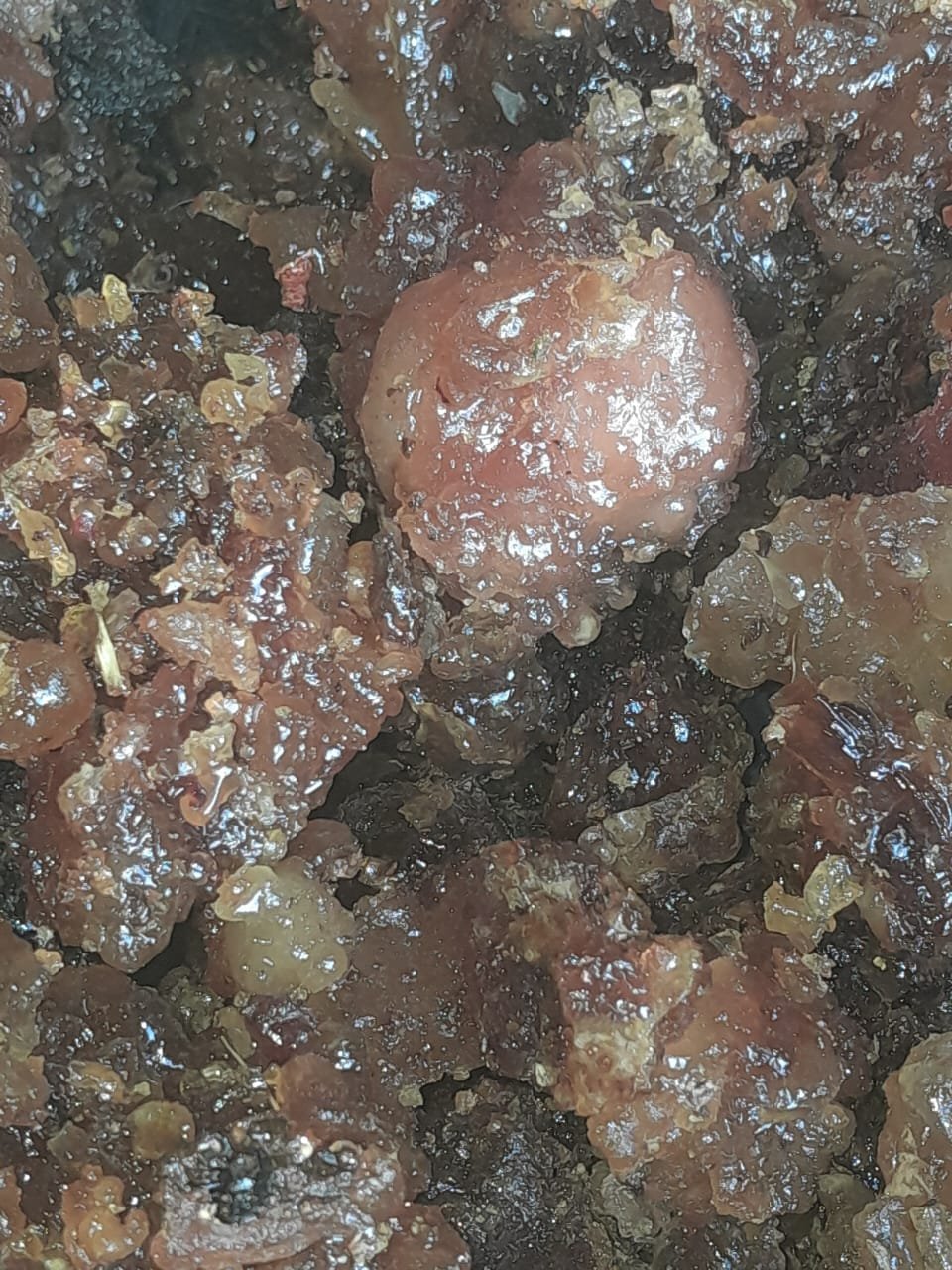
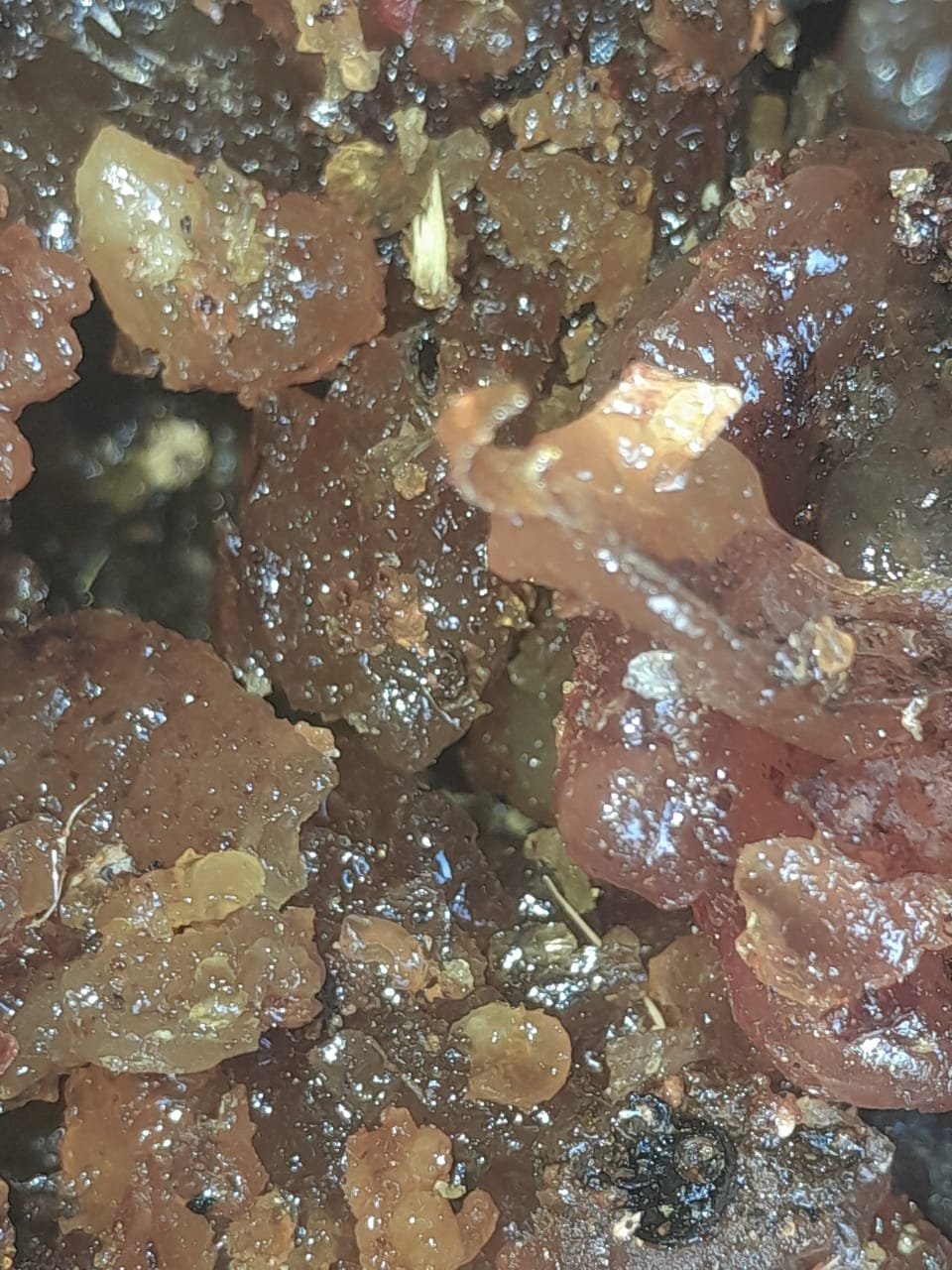
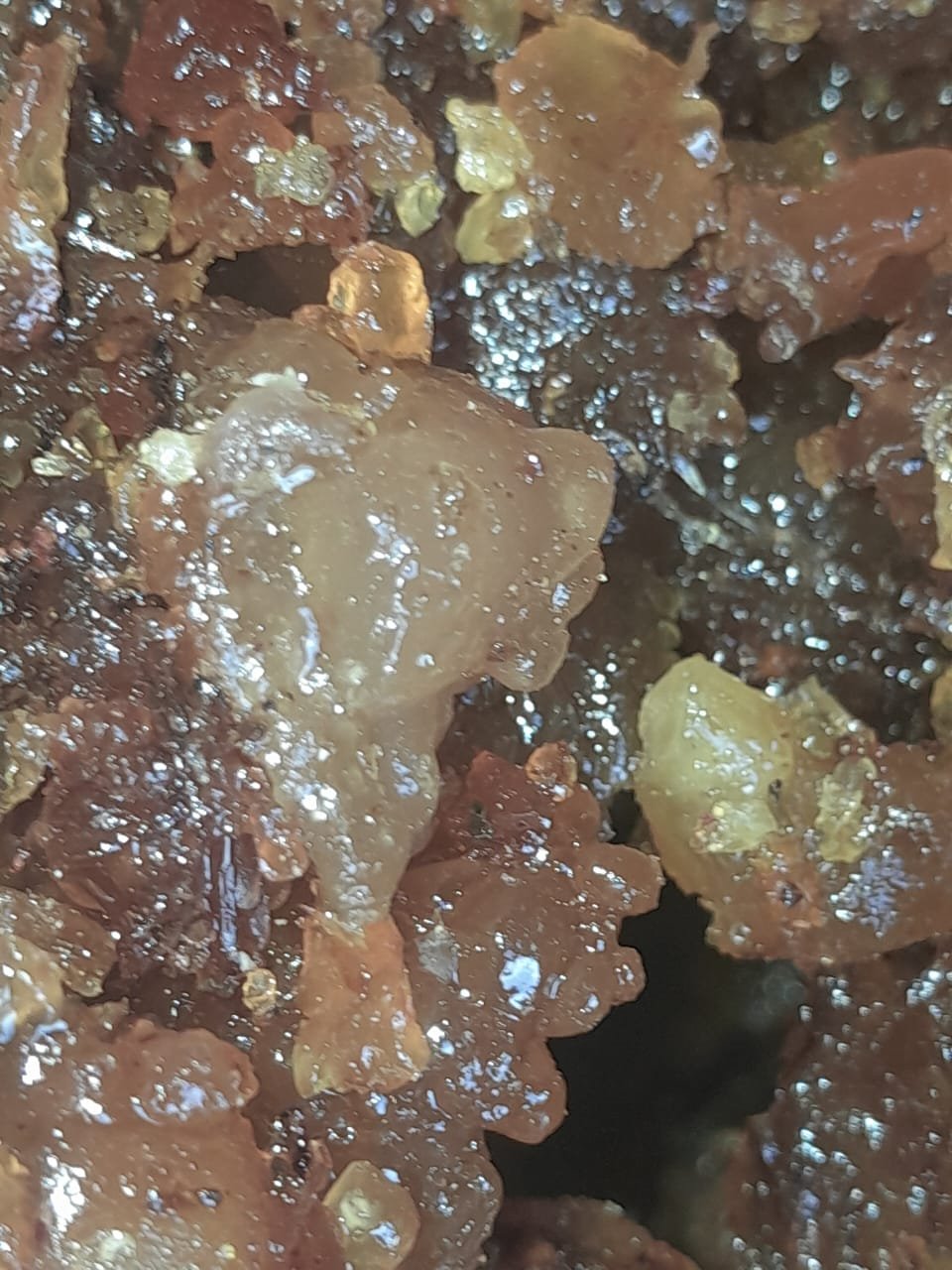
Frankincense forms when the bark of the Boswellia tree is carefully scored, letting a milky sap seep out and harden into amber droplets known as "tears." Dried, they can be burned as incense, steam-distilled into essential oil, or infused into balms.
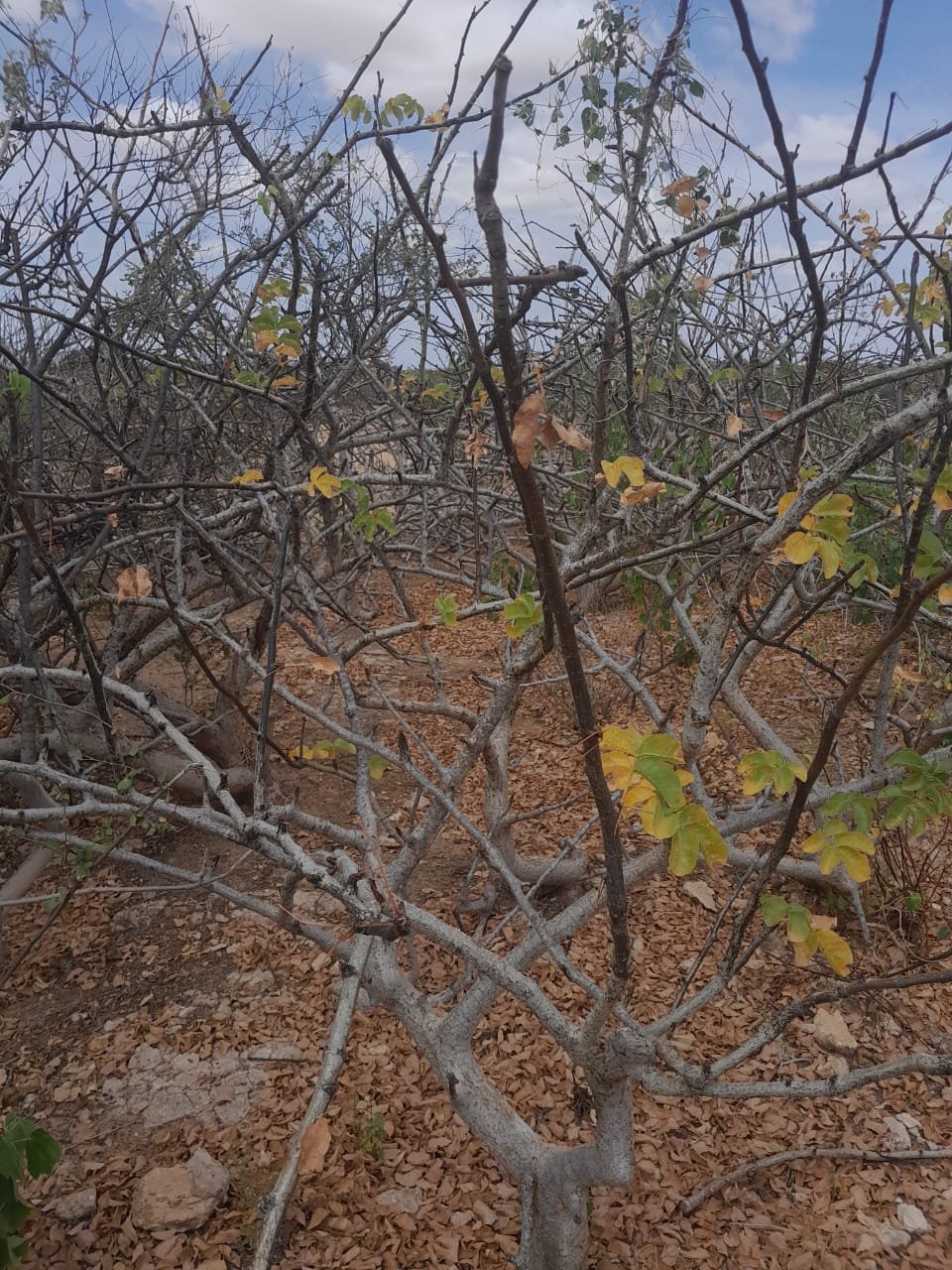
The trees thrive in some of earth's harshest landscapes — the arid mountains of Oman, Yemen, and the Horn of Africa. The tougher the conditions, the richer the resin, which is why Omani frankincense holds a reputation for exceptional quality.
"For centuries it was worth its weight in gold — and the skin, the senses, and the spirit all knew why."
Perfumery: The Anchor of Great Scents
In fragrance, frankincense is a master base note. It anchors lighter, volatile top notes so a perfume lingers on the skin instead of fading within minutes.
It also lends a signature character: a velvety texture and luxurious, resinous depth with hints of citrus, pine, and warm spice — the soulful heart of so many oriental, amber, and woody compositions.
Skincare Benefits
Frankincense has quietly become a favorite in natural skincare, valued for its gentle yet effective properties.
Skin Regeneration
Traditionally used to support skin repair and renewal for a smoother, more radiant complexion over time.
Balancing
A mild, naturally astringent effect helps balance excess oil — a thoughtful choice for oily and acne-prone skin.
Soothing
Calms visible redness and blemishes, and in a massage oil it brings relief to tired, sore muscles.

Health & Therapeutic Properties
Across traditional systems — from Ayurveda to Arabian folk practice — frankincense has been used for far more than scent. Researchers are now studying many of these long-held uses.
- Anti-inflammatory: Compounds like boswellic acids may ease inflammation; historically used for arthritis and wounds.
- Antioxidant & Antimicrobial: Active compounds show antioxidant, antibacterial, and even anticancer activity in studies.
- Digestive Aid: Traditionally taken to settle the stomach and relieve occasional indigestion.
- Cognitive Support: Emerging research explores potential links to neurological health and cognition.
Bringing Frankincense Into Your Day
A few drops of essential oil in a diffuser can turn any room into a calm, grounding space — ideal for meditation or winding down at night. For skin, always dilute in a carrier oil such as jojoba and patch-test first. The resin tears can also be burned over charcoal for that timeless temple aroma.
Whether you reach for it to anchor a fragrance, soothe your skin, or simply slow down at the end of a long day, frankincense offers a rare blend of beauty and benefit — every bit as relevant in the modern wellness cabinet as it was in the courts of antiquity.
A gentle note: The traditional and therapeutic uses here are for general information and reflect historical practice and ongoing research — not medical advice. If you are pregnant, nursing, taking medication, or managing a health condition, consult a qualified healthcare professional before using essential oils.
